Improving Food Security with Inoculated Deep Litter Piggeries & Innovative Production Methods in American Samoa
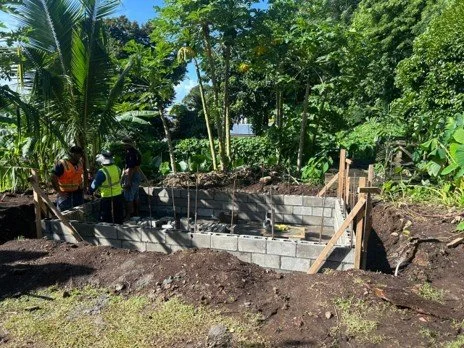
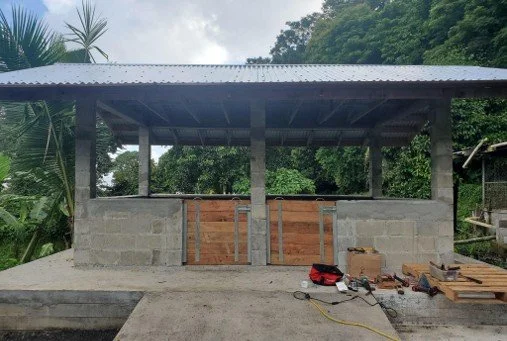
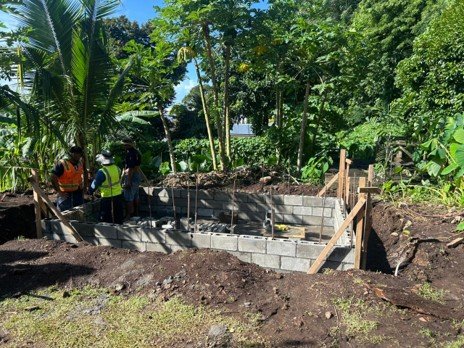
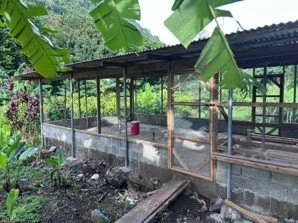
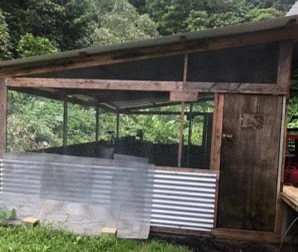
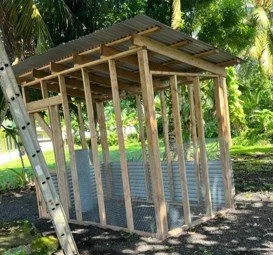
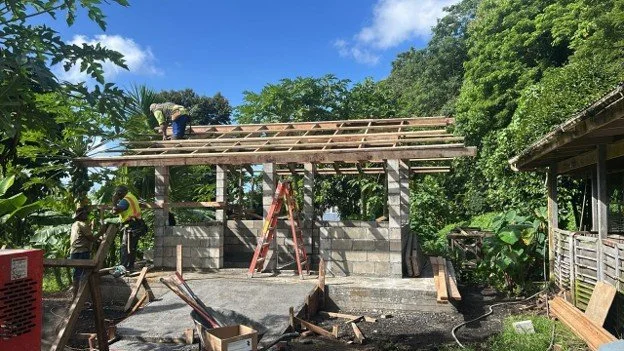
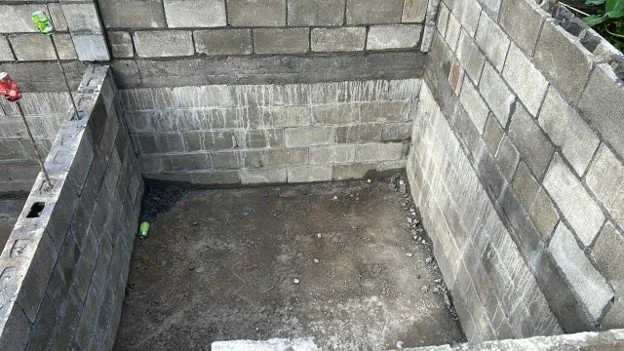
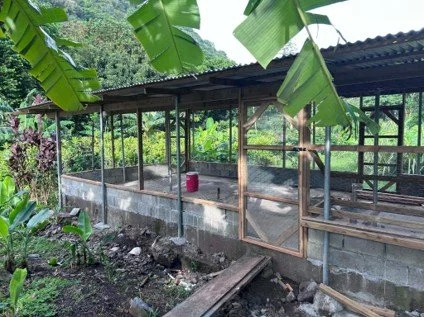
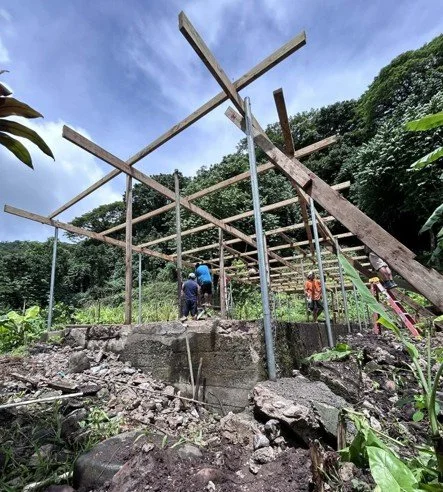
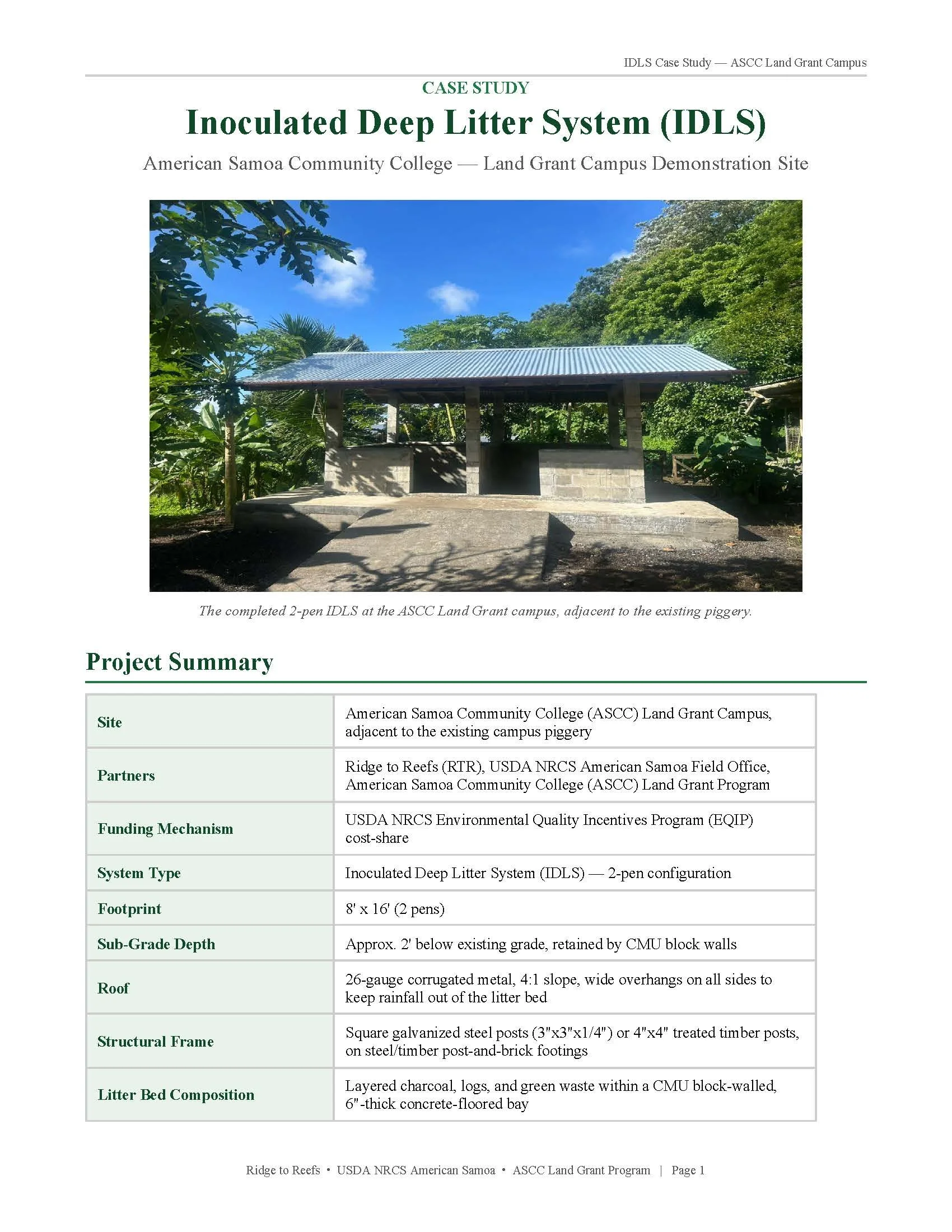
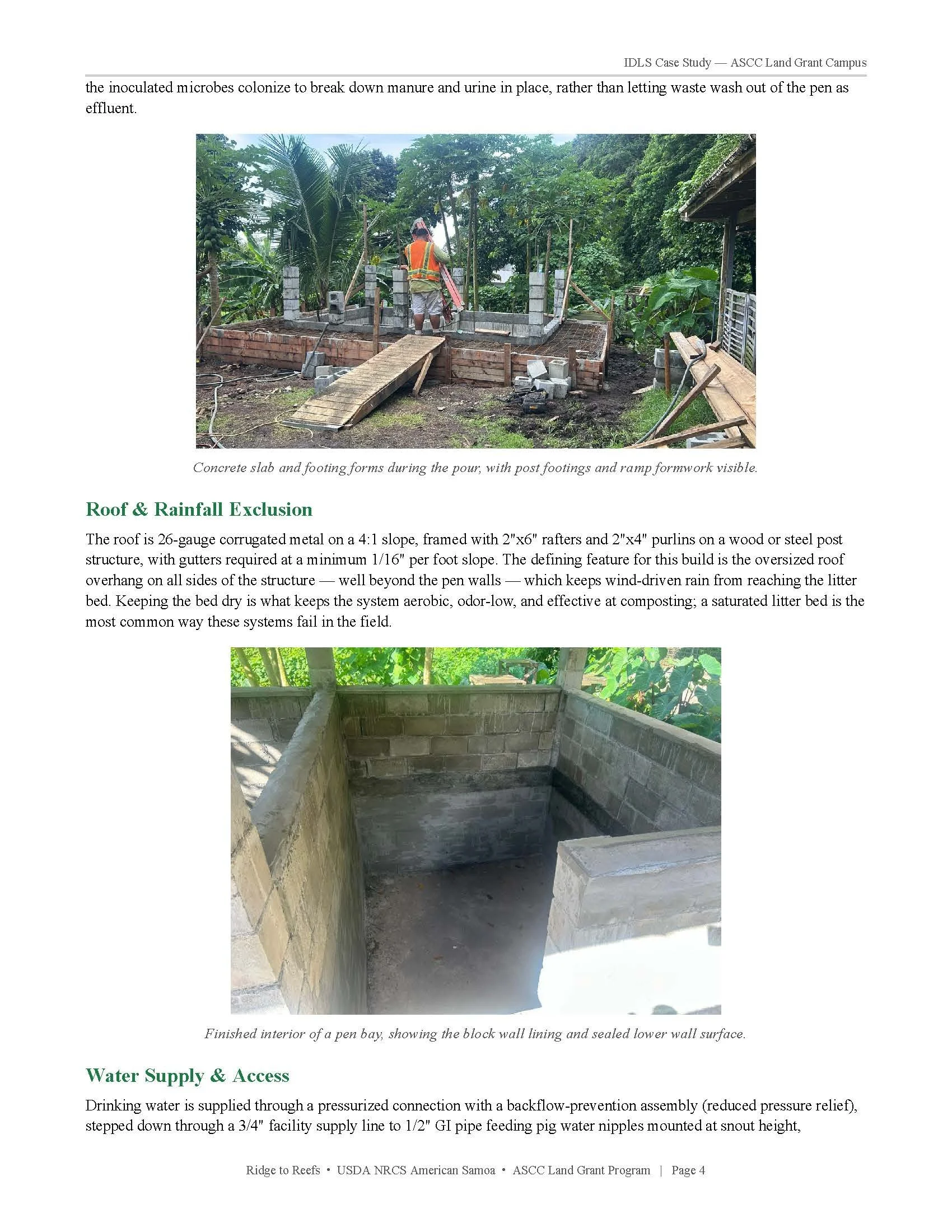
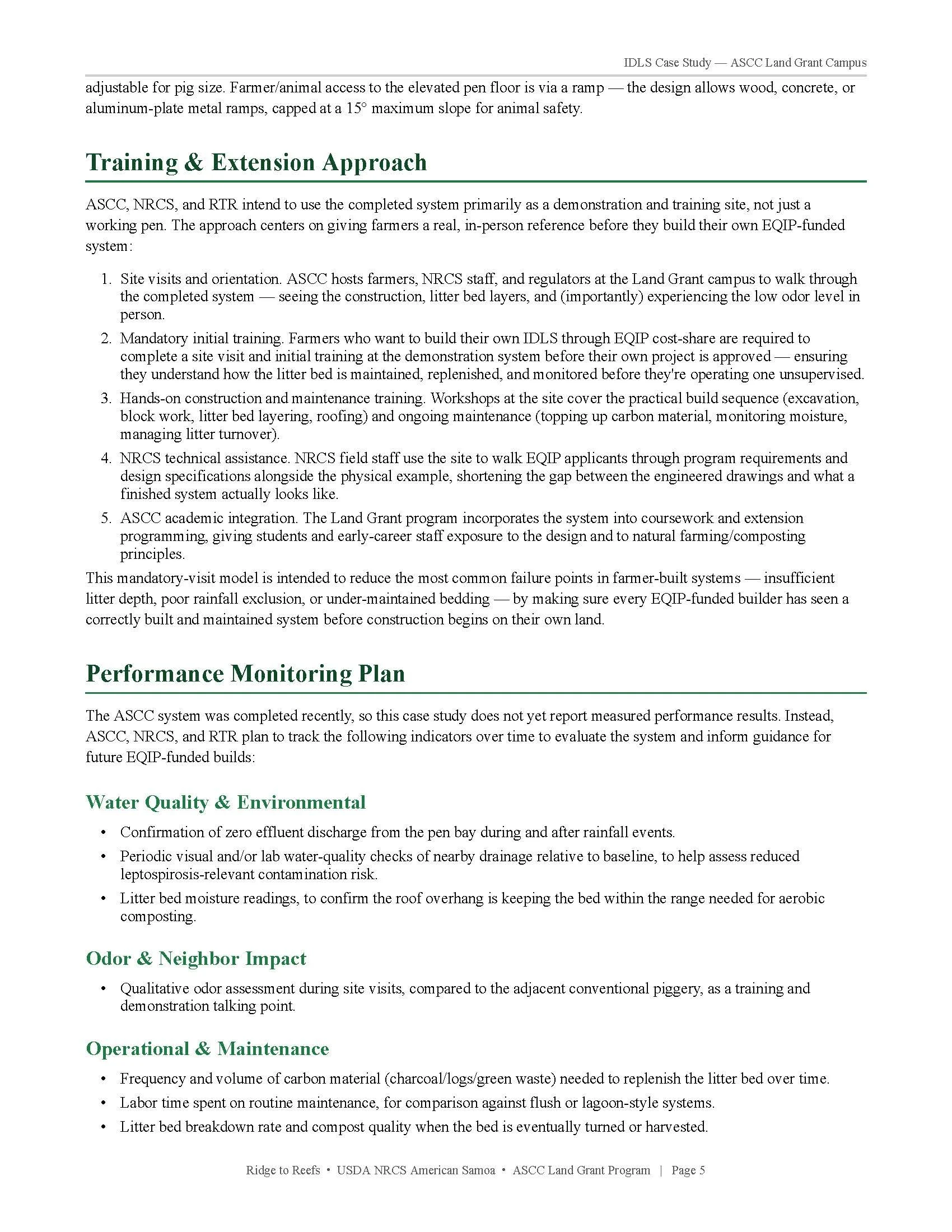
Construction of an Inoculated Deep Litter System (IDLS).
Project Summary
During the creation of the American Samoa NRCS Long-Range Plan, Ridge to Reefs interviewed local stakeholders about the major issues affecting food and environmental security. Piggery pollution, limited access to locally produced fruits and vegetables, and overuse of imported fertilizers and pesticides were major issues expressed by the community. The Long-Range Plan is a strategic plan for achieving 85% food security in American Samoa by 2035. To achieve this goal, it is necessary that more food is grown on the islands. It is also important that this food is grown in a way such that soil health and limited water resources are not impacted. This project addresses the foremost gaps in food security by implementing pilot projects and creating educational material to promote the adoption of several geographically appropriate innovative production practices: Inoculated Deep Litter System (IDLS) Piggeries, Deep Litter/Mobile Chicken Coops, High Tunnels, Insect Exclusion Netting, locally sourced Fish Hydrolysate Fertilizer, and Compost.
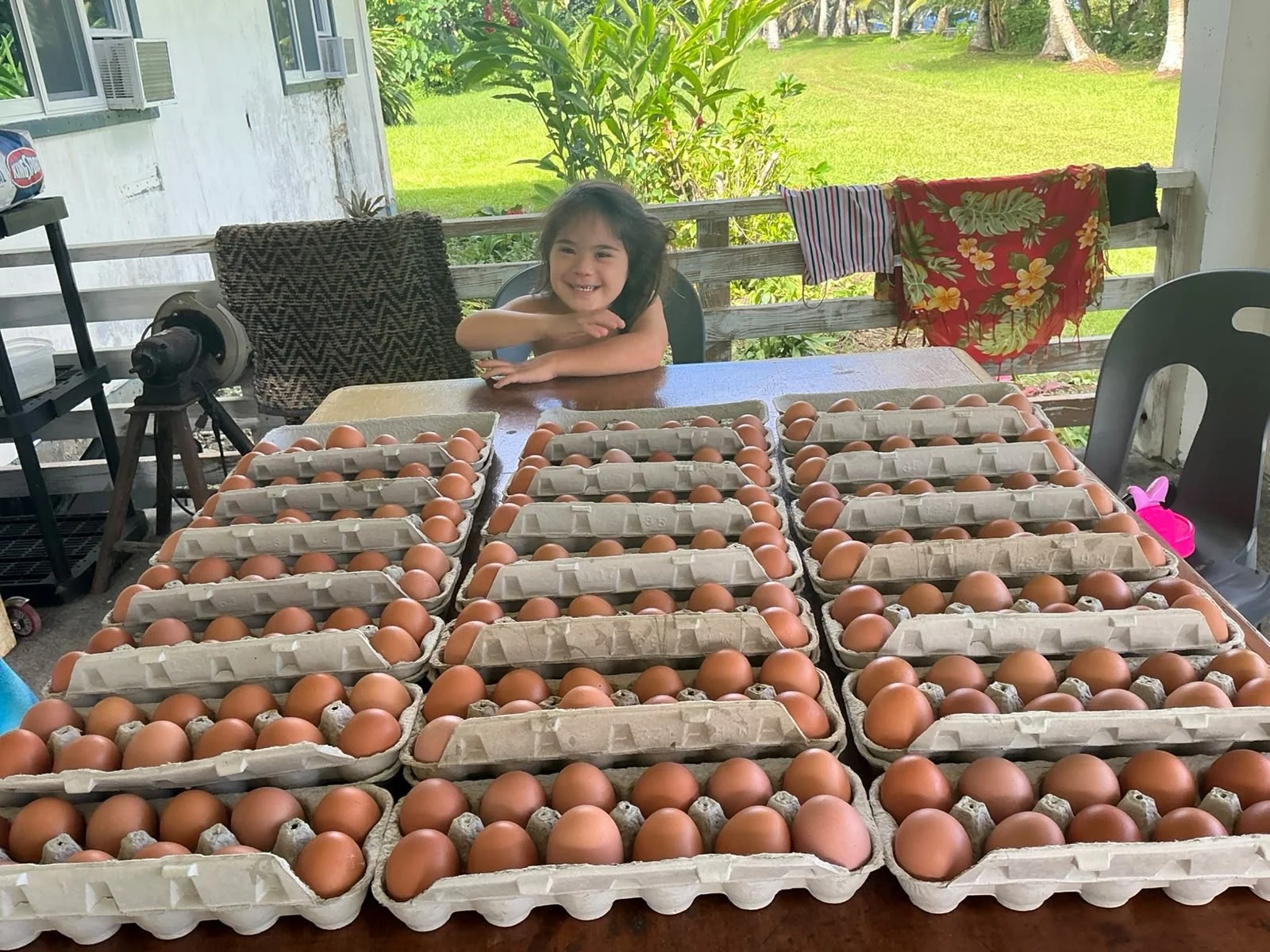
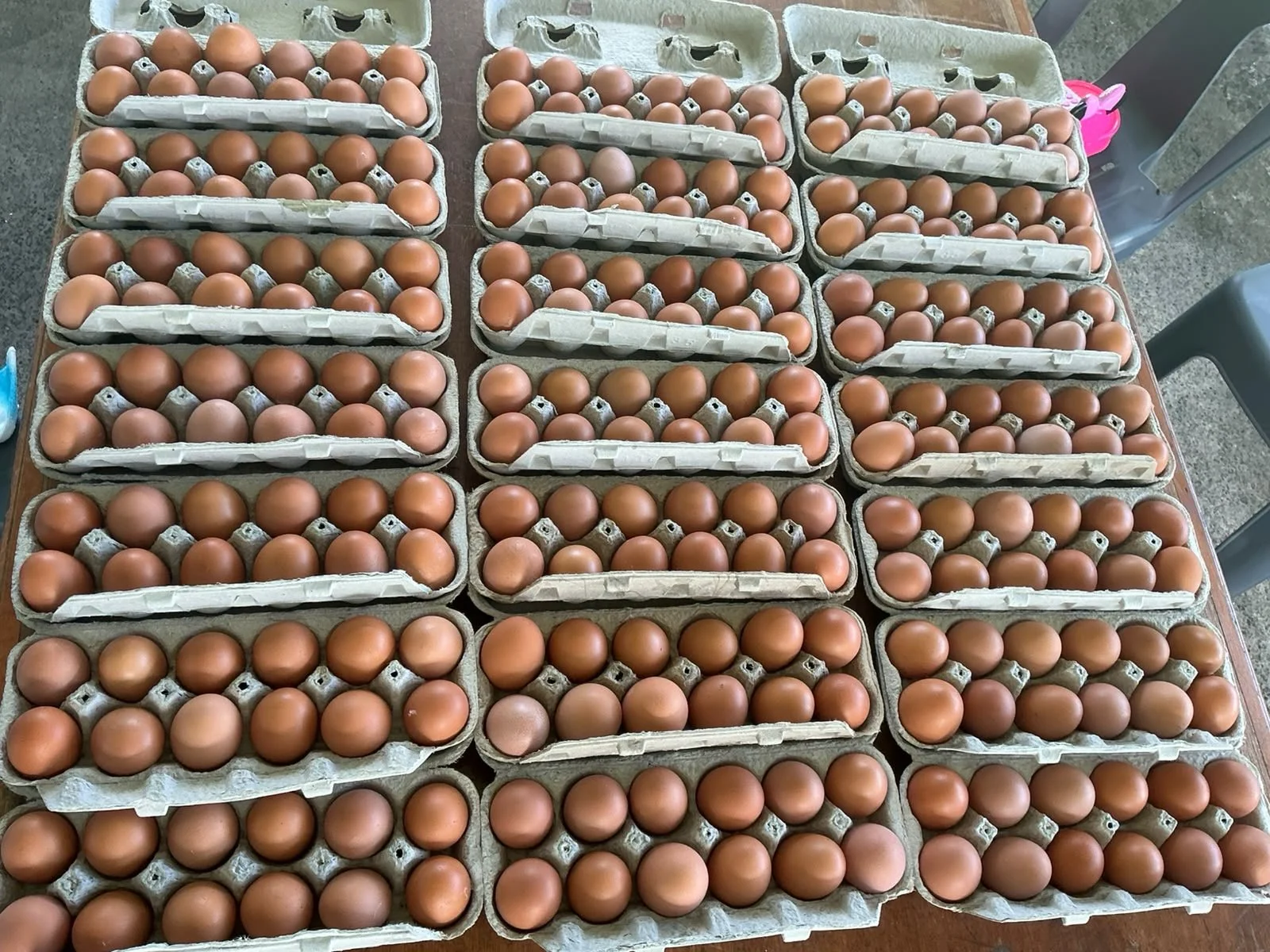
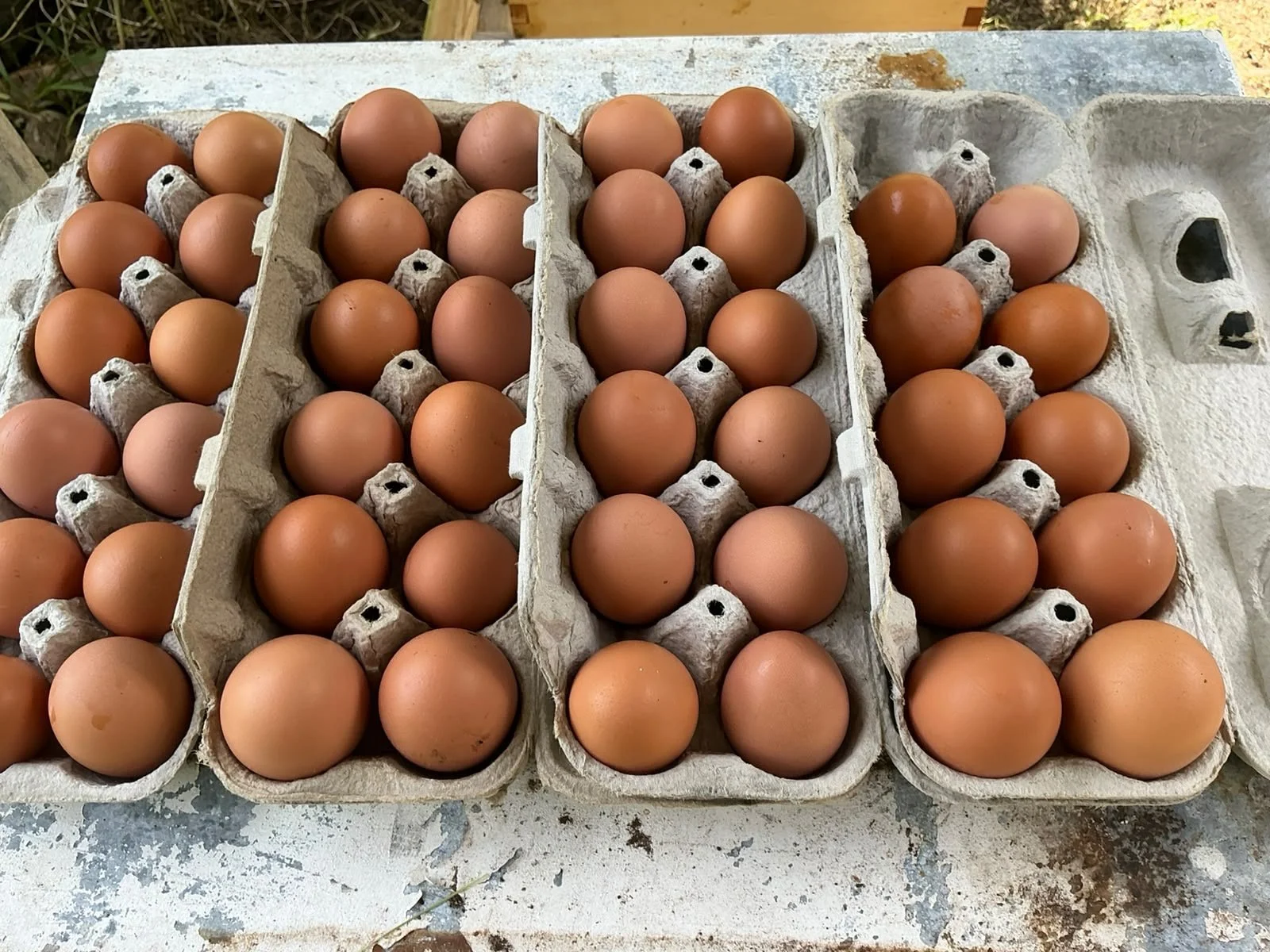
This UAIP project advanced innovative agricultural practices in American Samoa. These practices help increase food production and food security, and demonstrate utilizing locally available materials for high-output agriculture. This project focused on the advancement of Inoculated Deep Litter Systems (IDLS) which provide a wastewater-free and less labor intensive piggery option for families and producers; chicken coops which will produce eggs for local consumption (currently rare in the territory); high tunnels, which are supported via American Samoa NRCS’ EQIP cost share program but needed local standards; and locally sourced fertilizers including compost and fish hydrolysate.
Problem
While the USDA Food Access Research Atlas lacks detailed information on food availability in American Samoa, a study by American Samoa Community College found that 57% of supermarkets did not stock any fruits and vegetables, however 100% of markets stock junk food. This study also showed that 95% of food in American Samoa is imported from the United States and other countries. This type of food system is dependent upon boats to import food products. Residents are therefore especially vulnerable to impacts on the global food distribution system, which has proven less reliable in recent years. If the boats do not come, which happened many times during the pandemic, then there will be a lack of food to feed the community. True food resilience requires that farmers can thrive in both their production and profit, which can be achieved by innovative methods, natural soil health improvements, and the use of local resources.
Solution
This project addresses the foremost gaps in food security by implementing pilot projects and creating educational material to promote the adoption of several geographically appropriate innovative production practices: Inoculated Deep Litter System (IDLS) Piggeries, Deep Litter/Mobile Chicken Coops, High Tunnels, Insect Exclusion Netting, locally sourced Fish Hydrolysate Fertilizer, and Compost.
Implementation
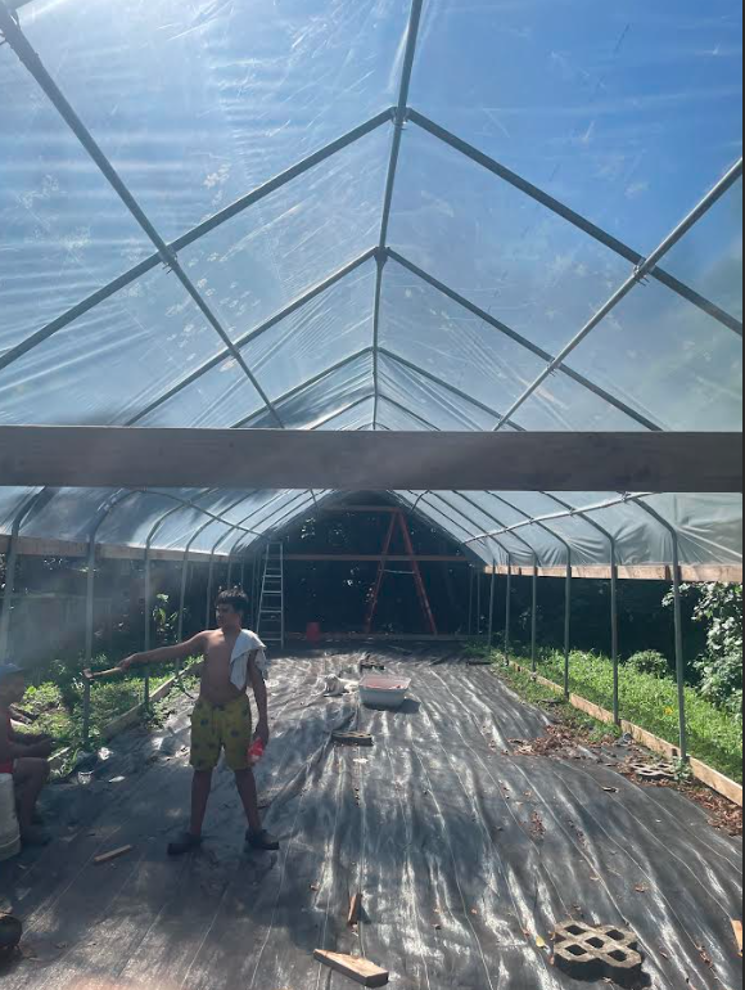
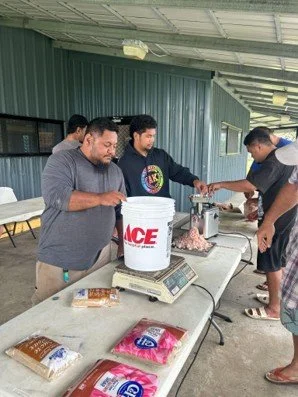
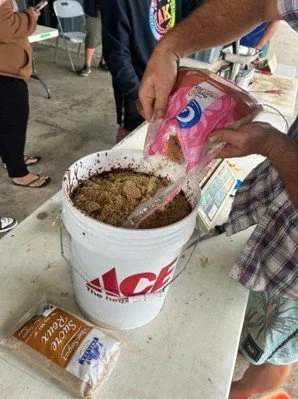
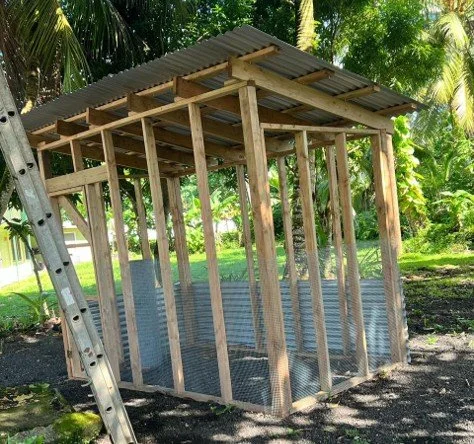
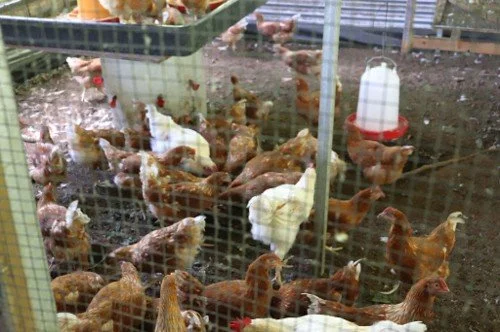
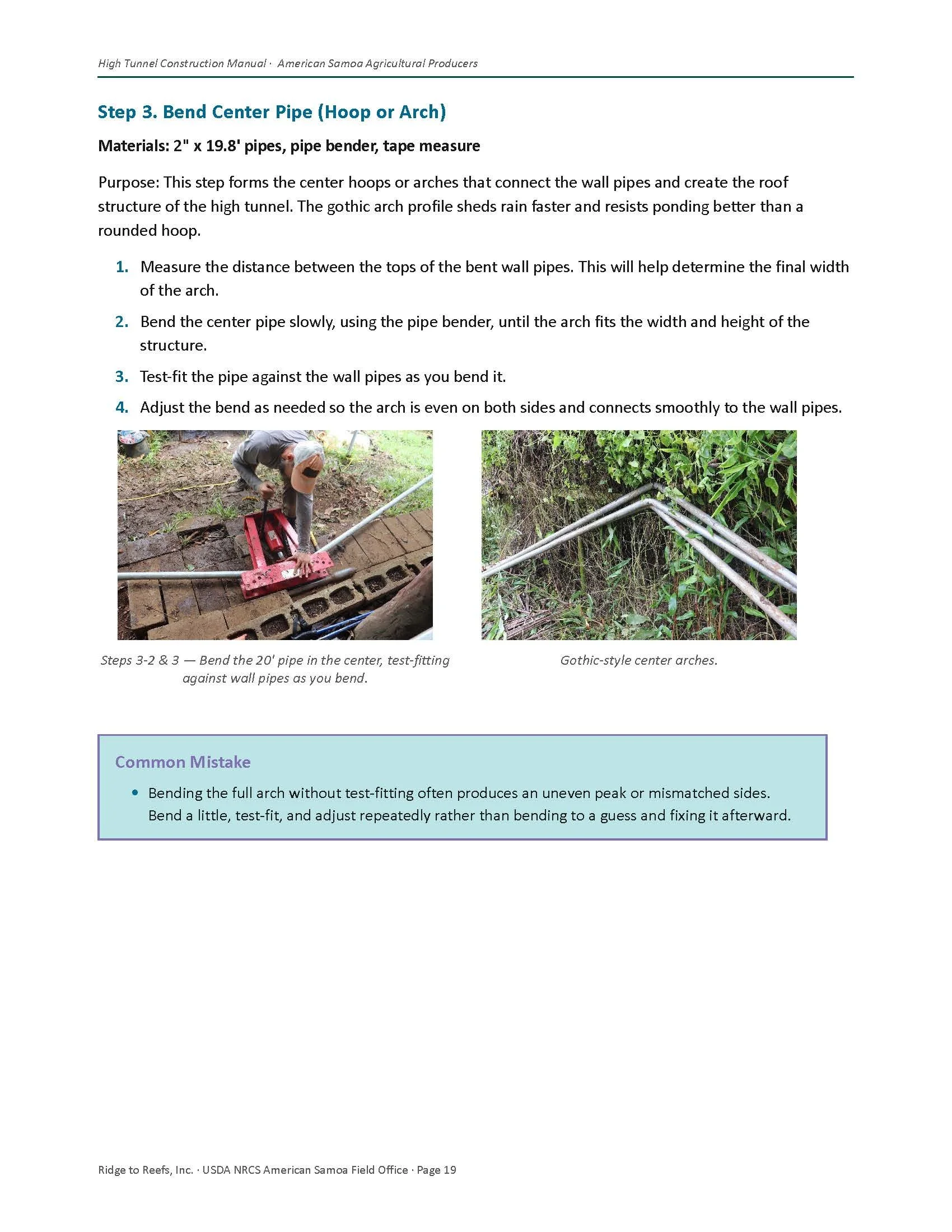
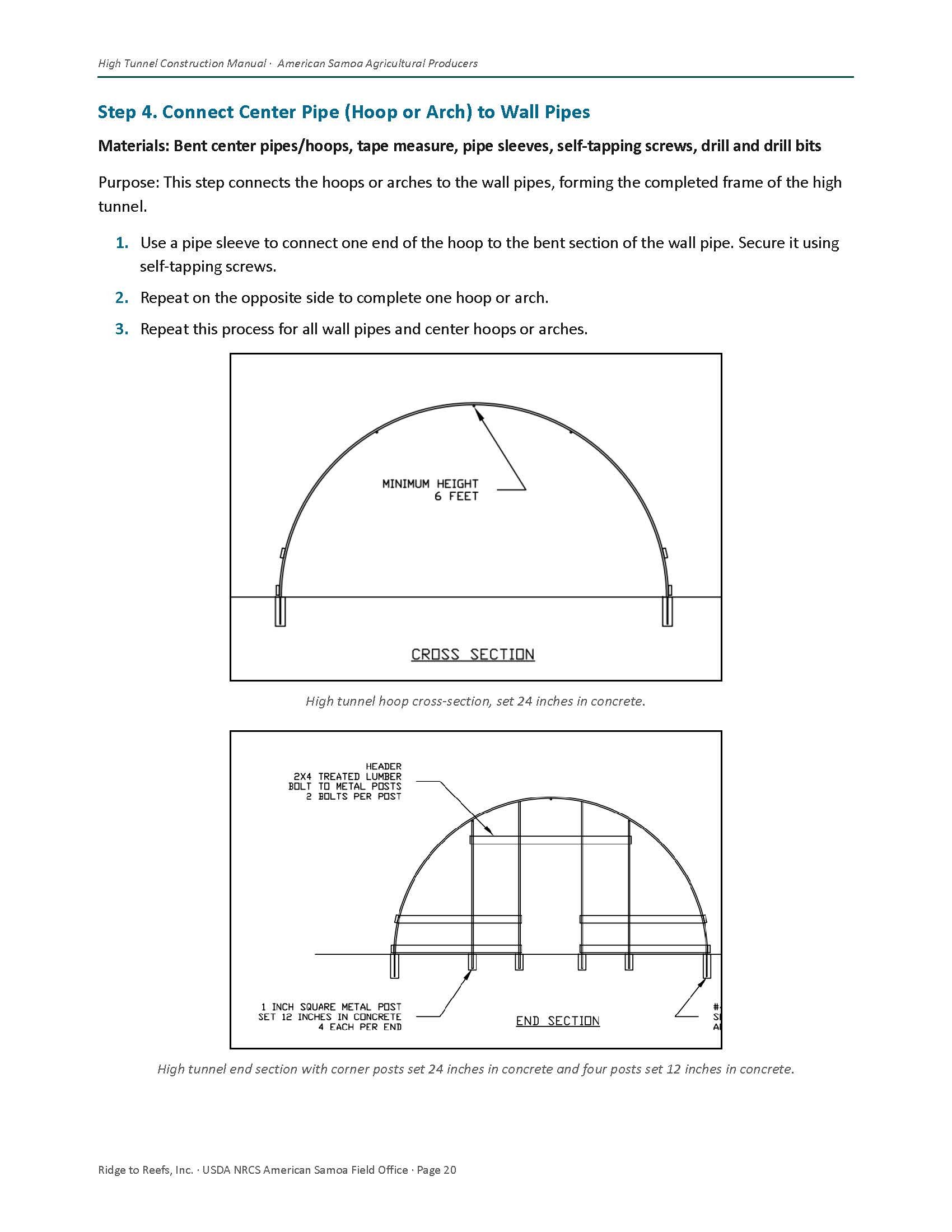
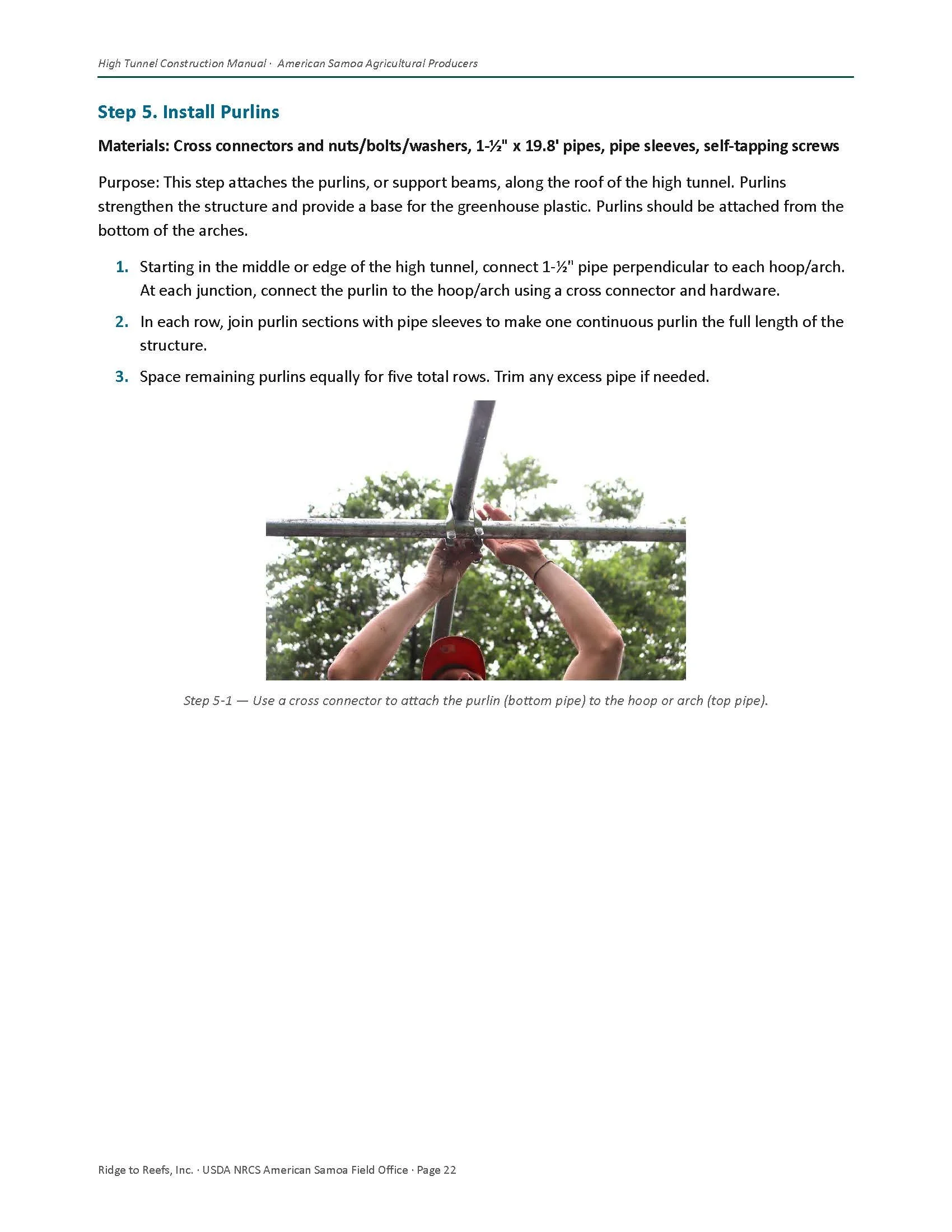
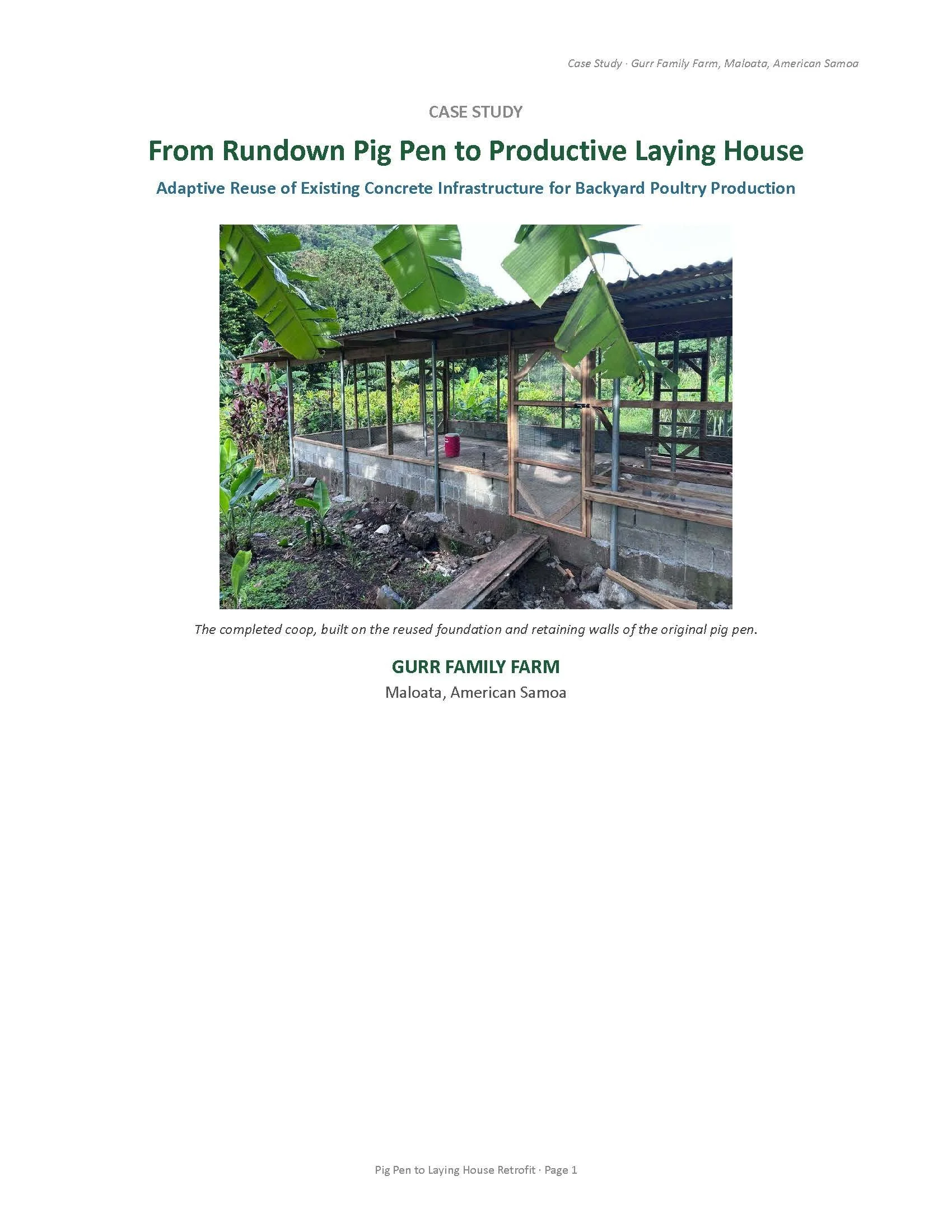
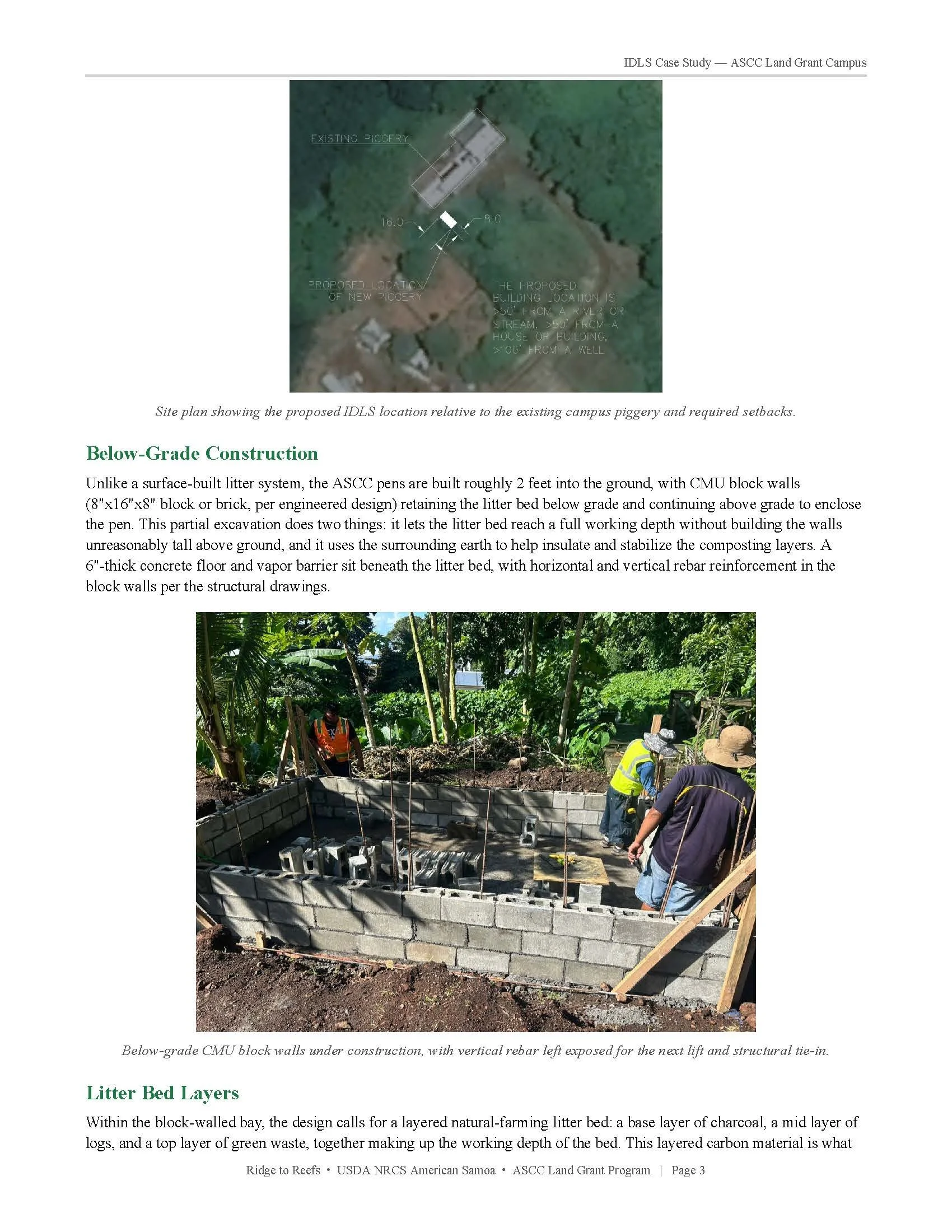
Inoculated Deep Litter Systems (IDLS), a Korean Natural Farming practice. IDLS differ from a dry litter system in that they include a deep layer of whole organic material inoculated with indigenous microorganisms which slowly break down livestock waste through aerobic decomposition. The team build IDLS systems for piggeries and chickens. High Tunnel greenhouses were built for controlled environment systems reducing excess rainfall to plants, reducing disease and increasing shelf life. The team created several demonstration projects, hosted workshops and created educational materials in English and Samoan to accompany local high tunnel kits. Locally Sourced Fertilizers and Soil Amendments are important for agricultural resilience. Abundant natural resources can be upcycled to produce high quality fertilizers and soil amendments. The team trained local producers on methods to produce fish hydrolysate fertilizer and high-quality compost.
Outcomes
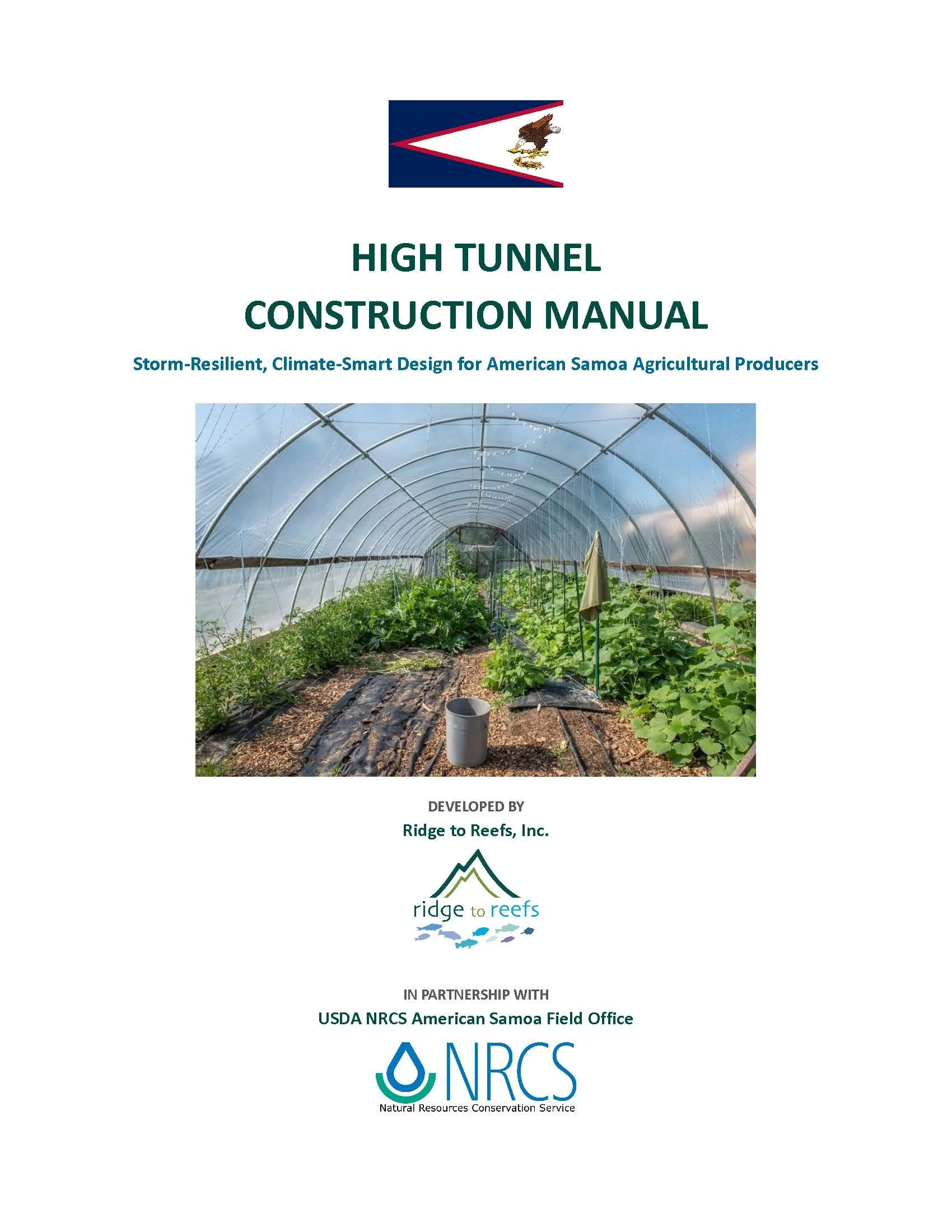
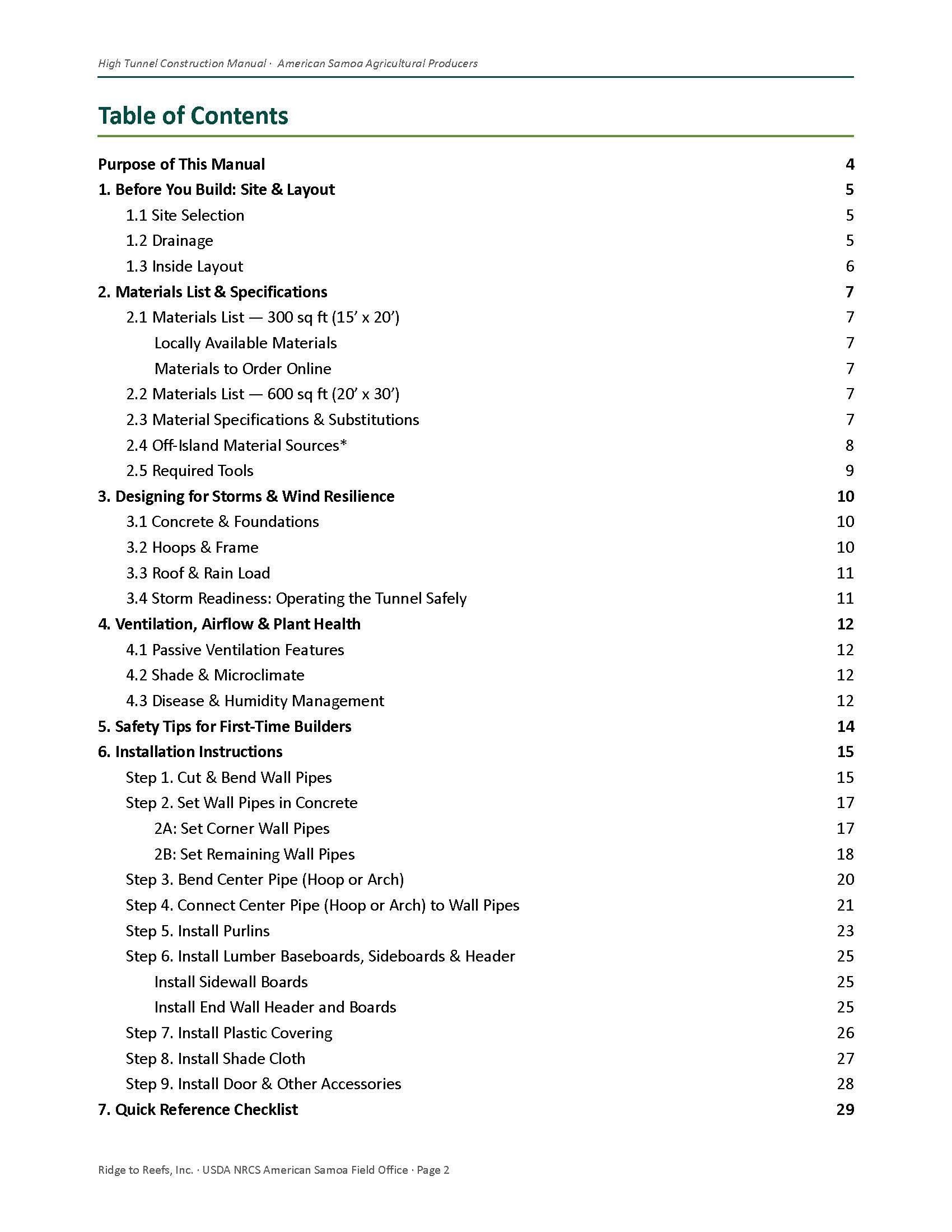
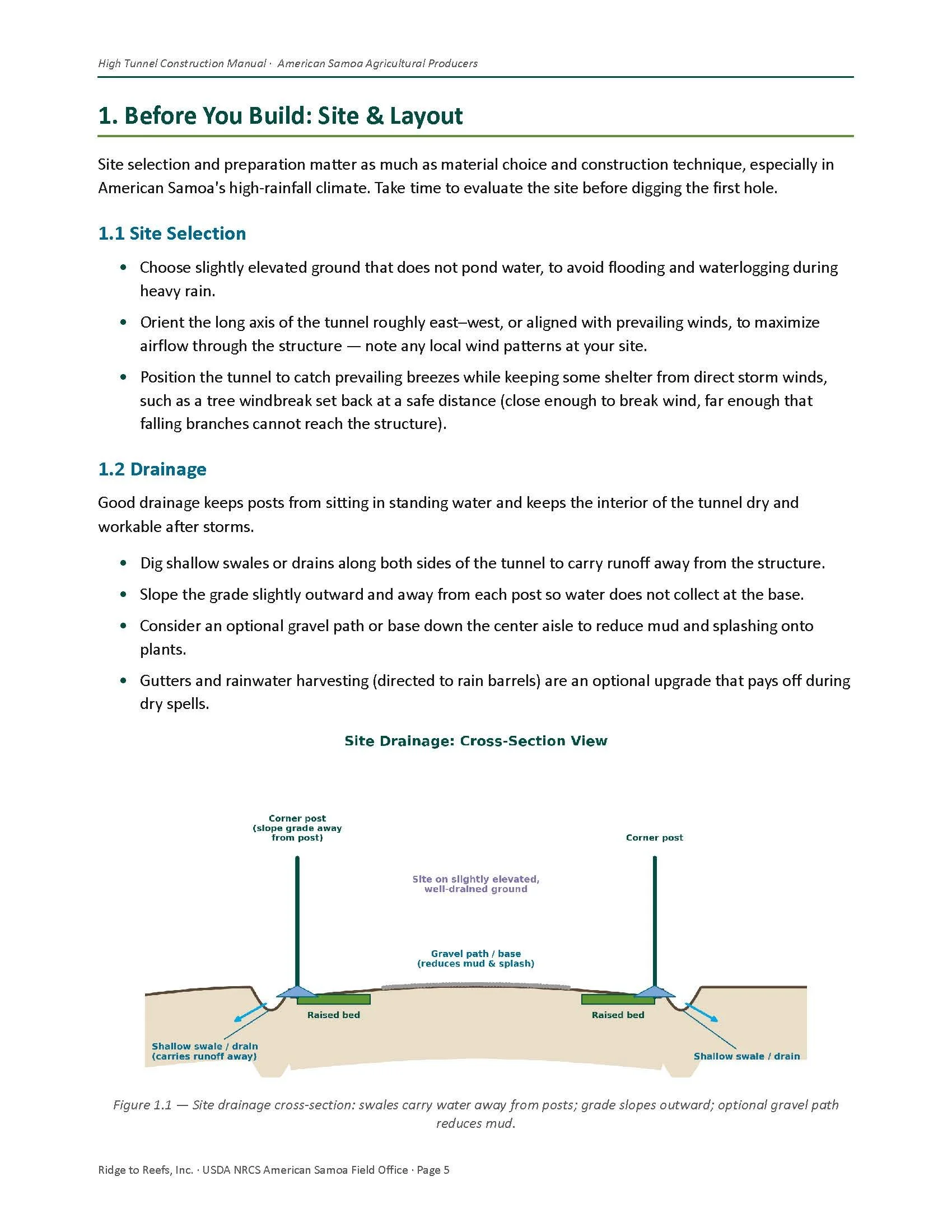
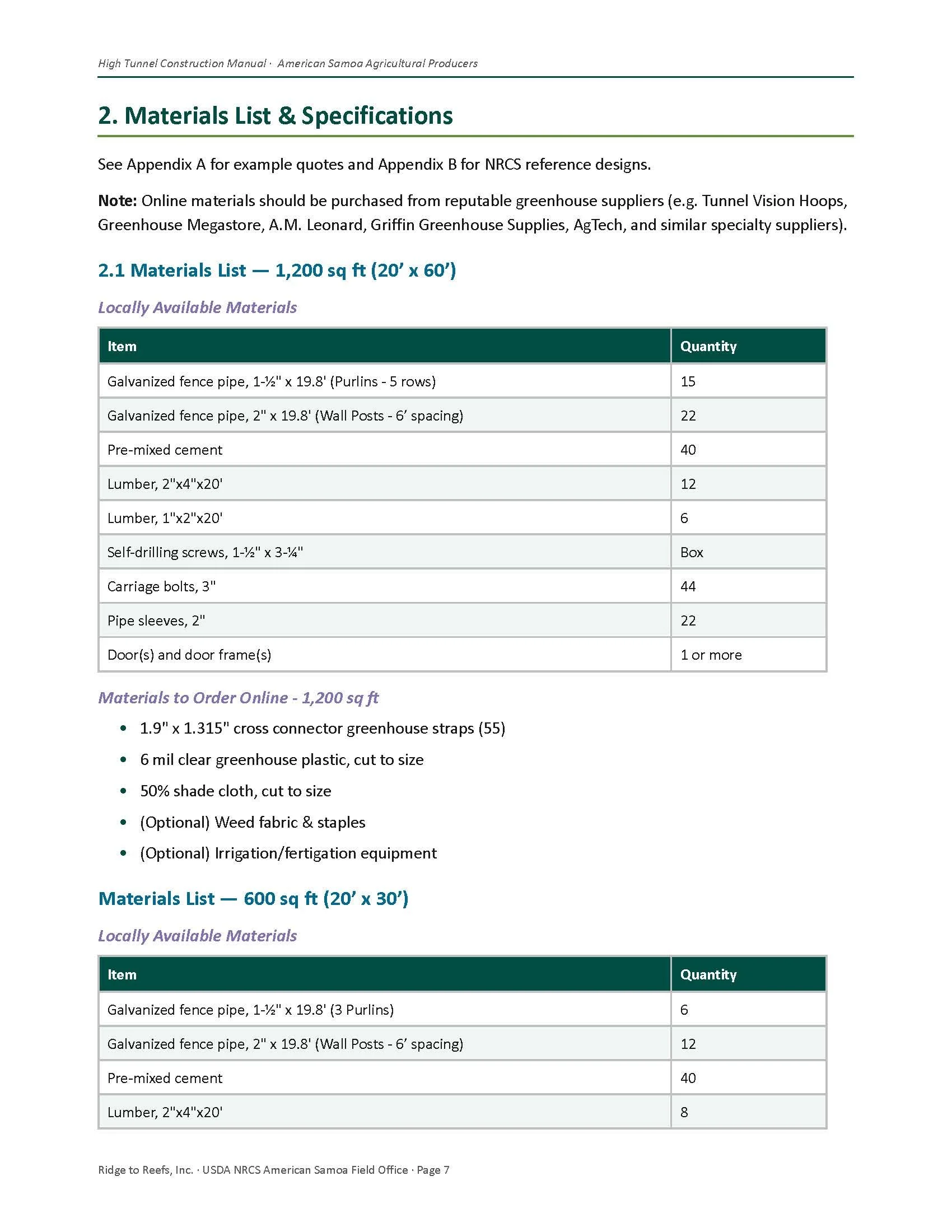
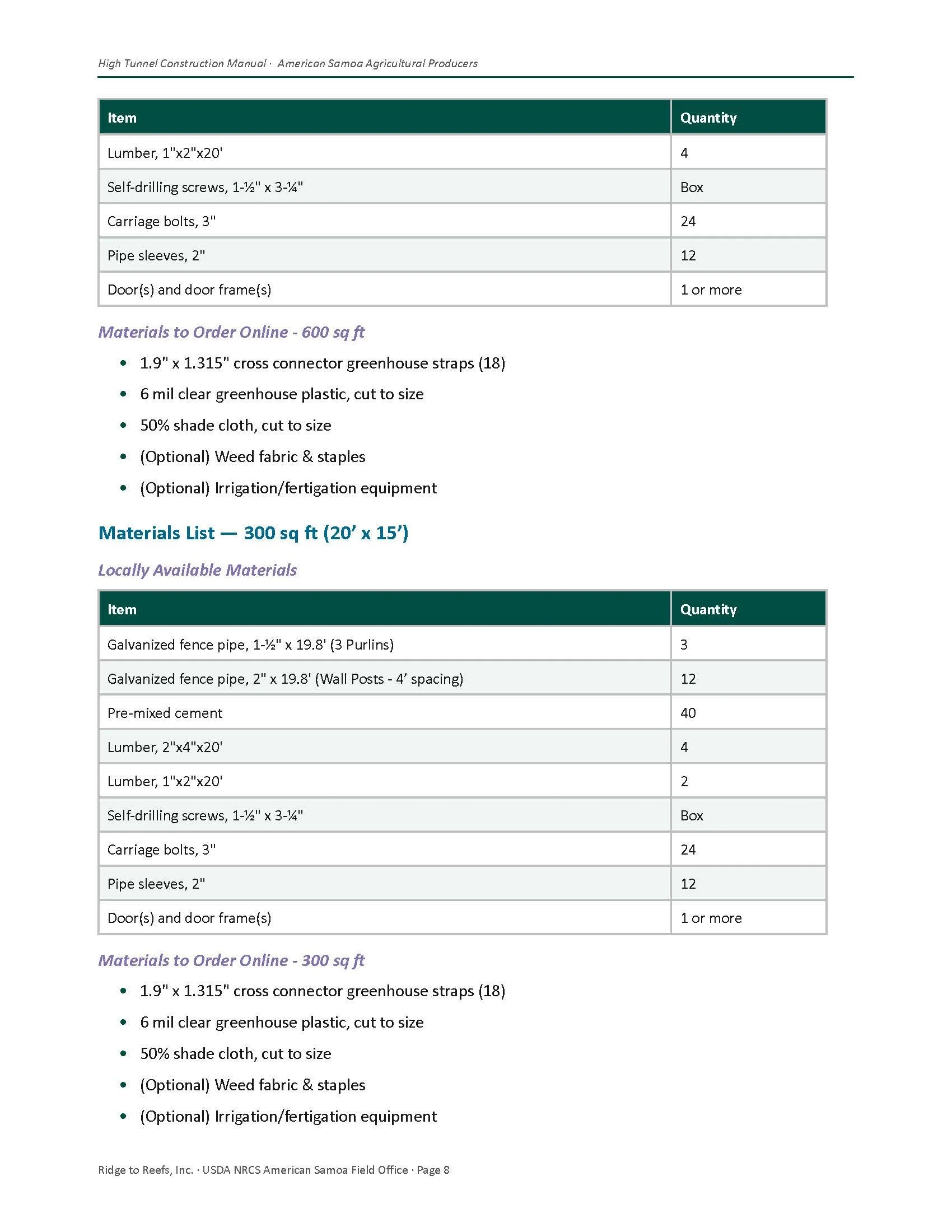
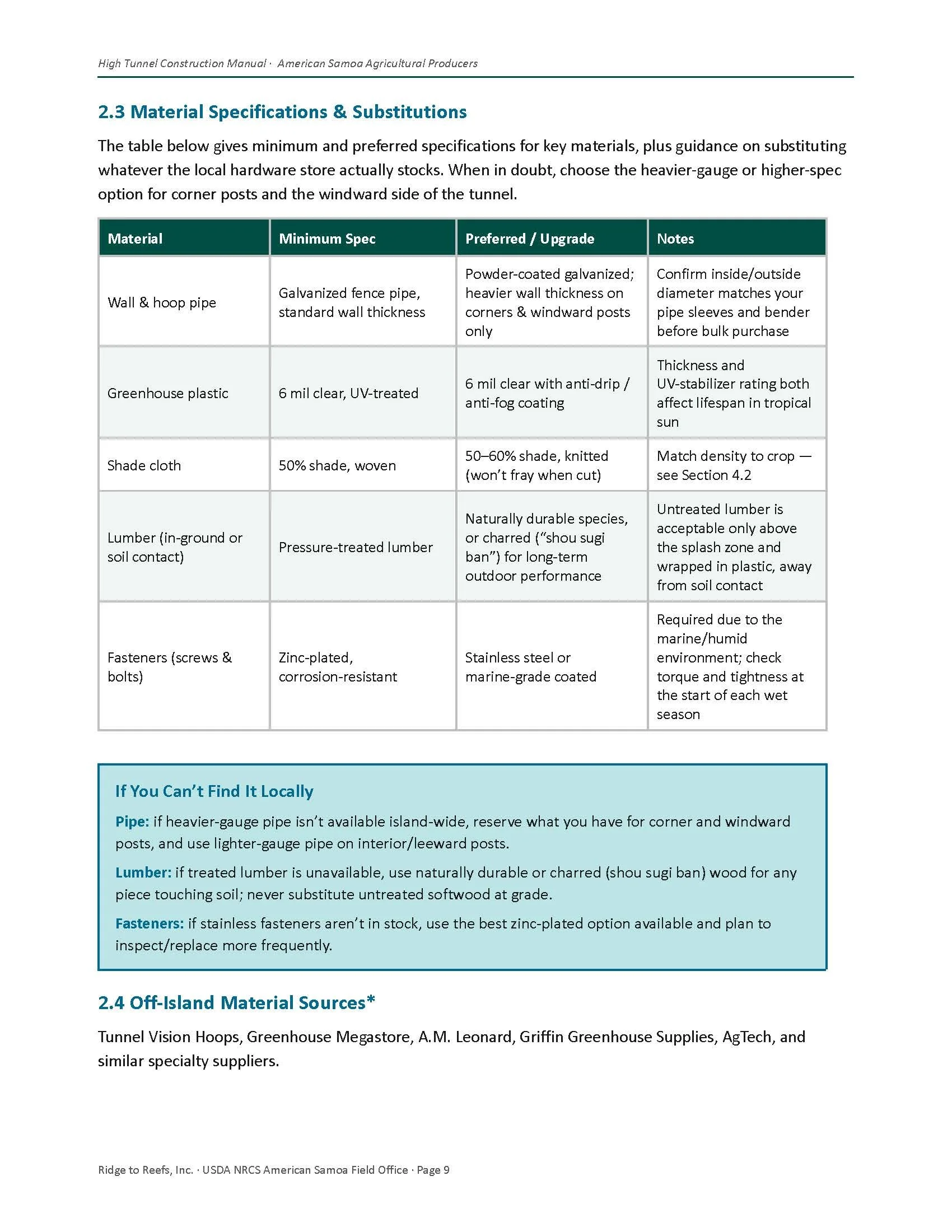
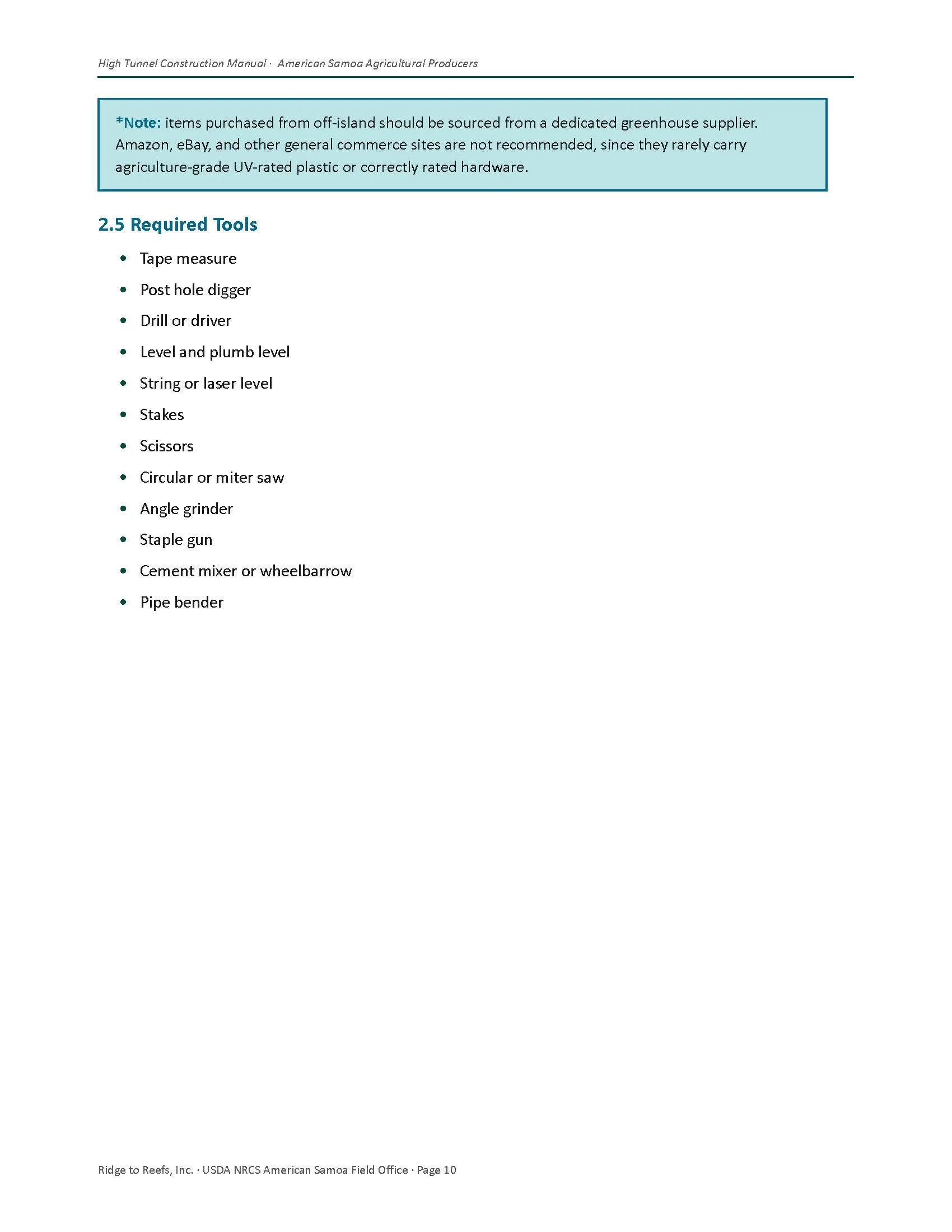
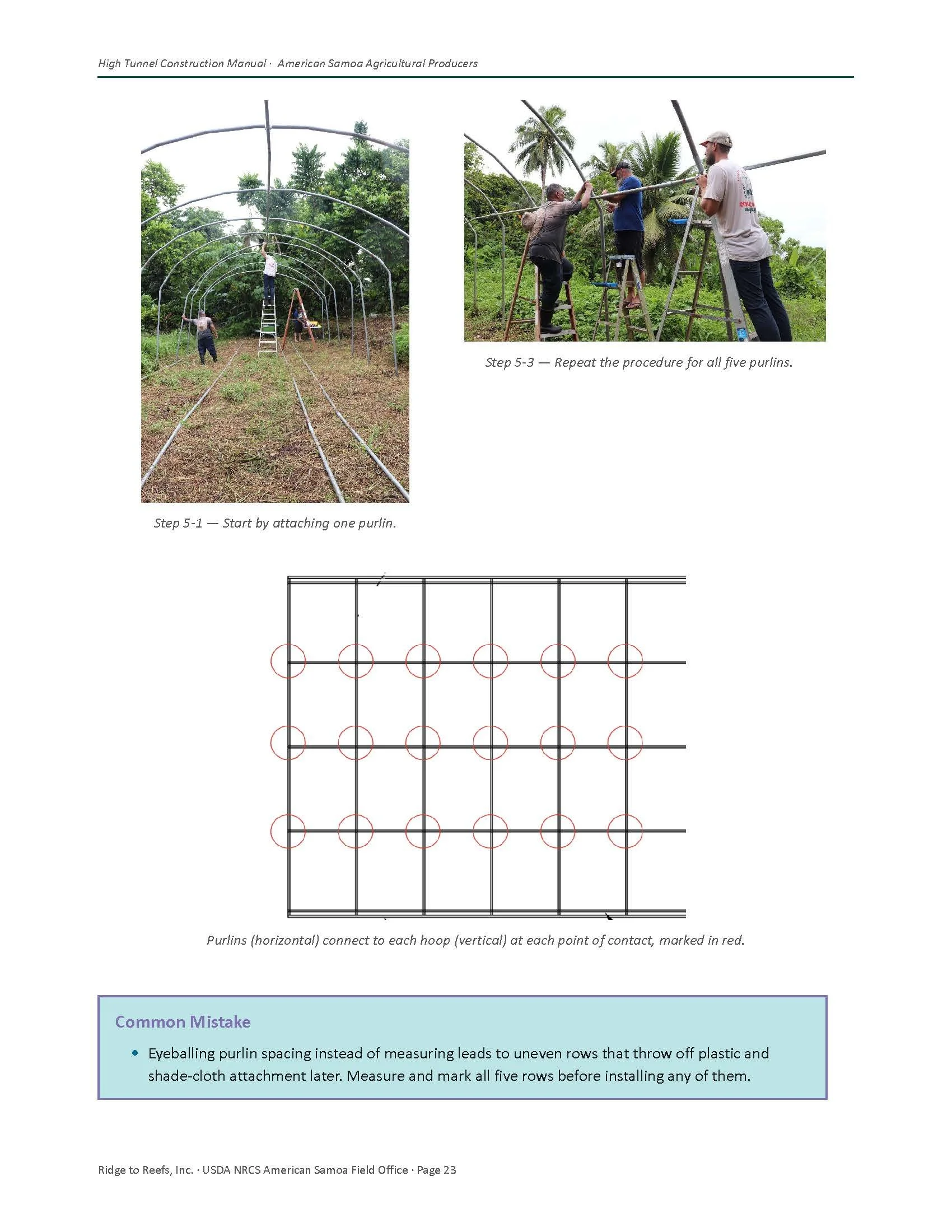
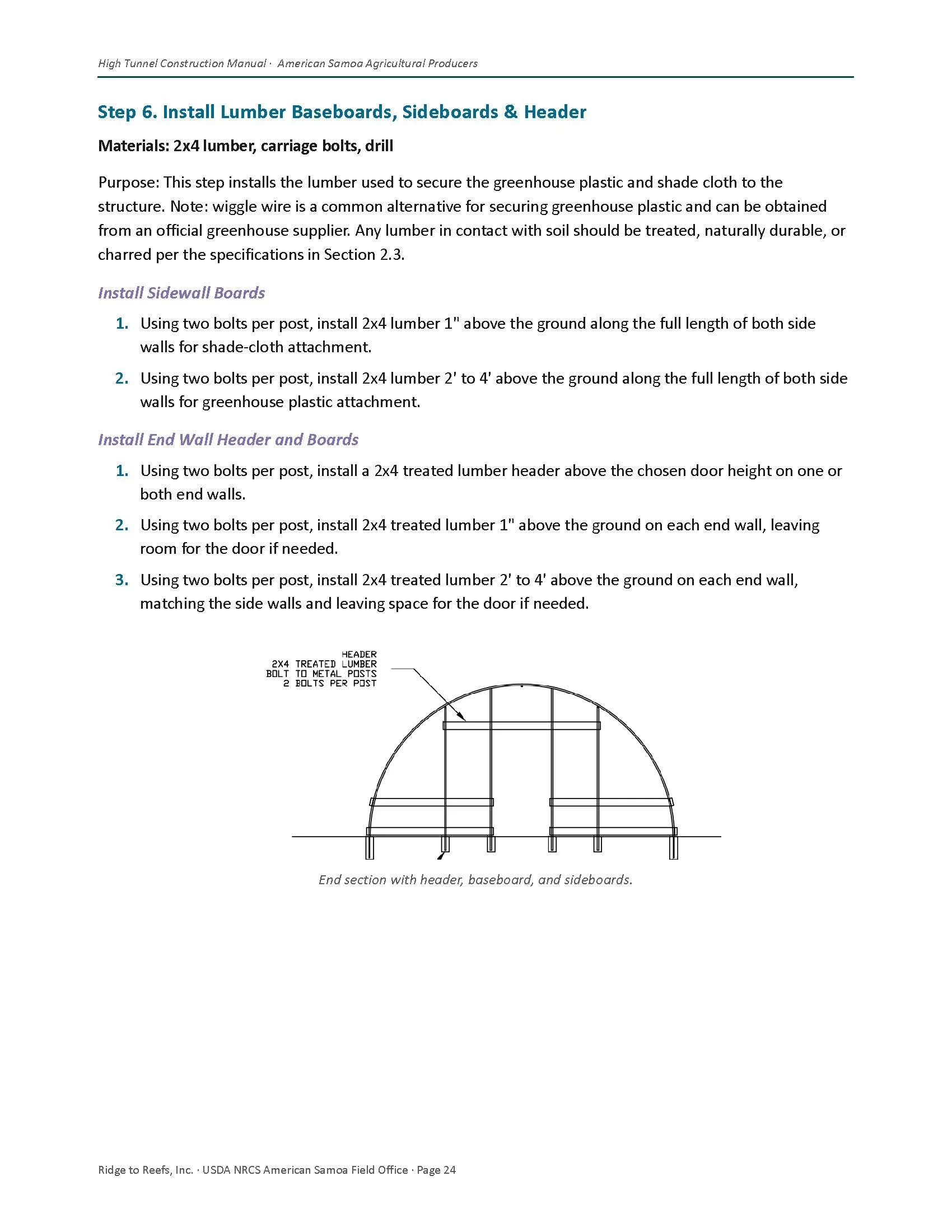
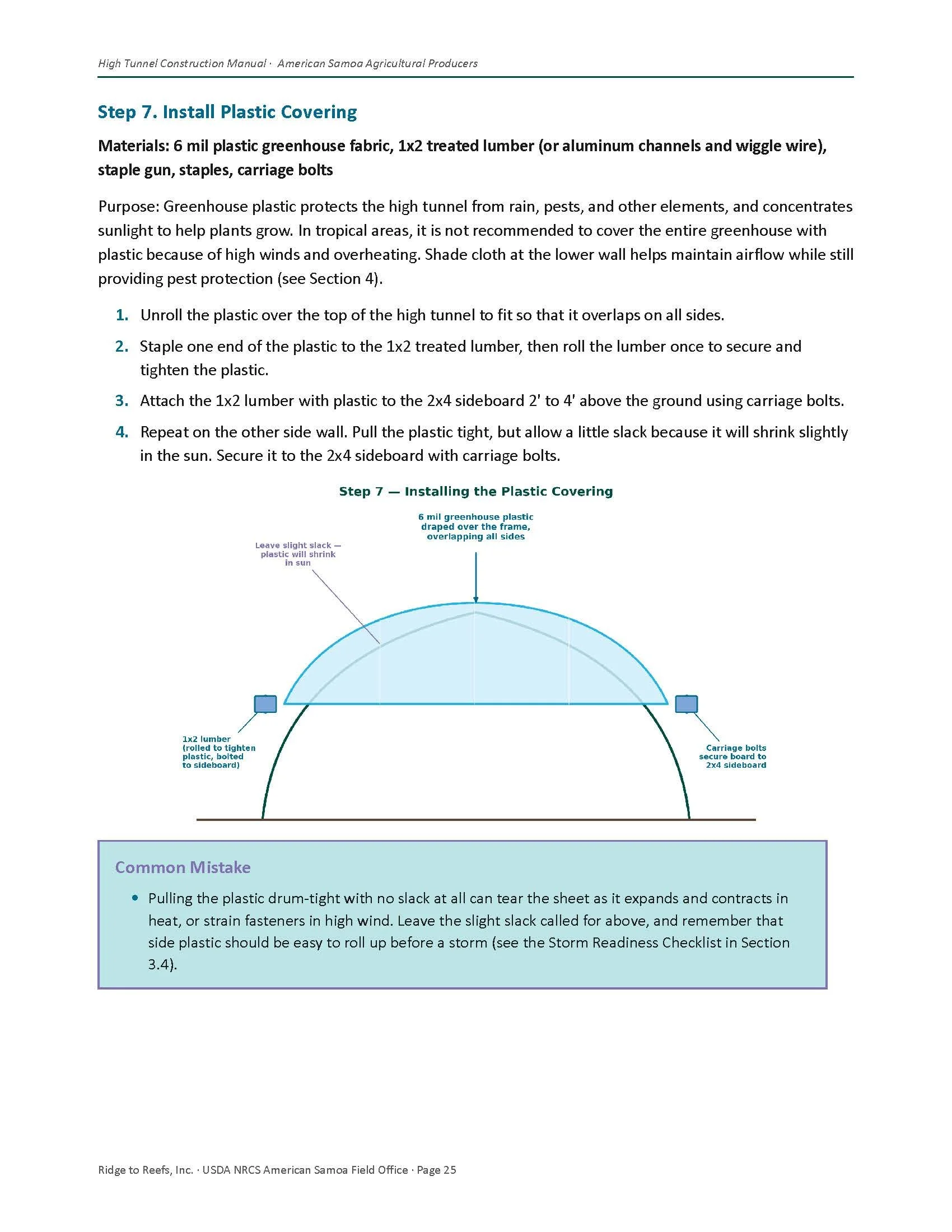
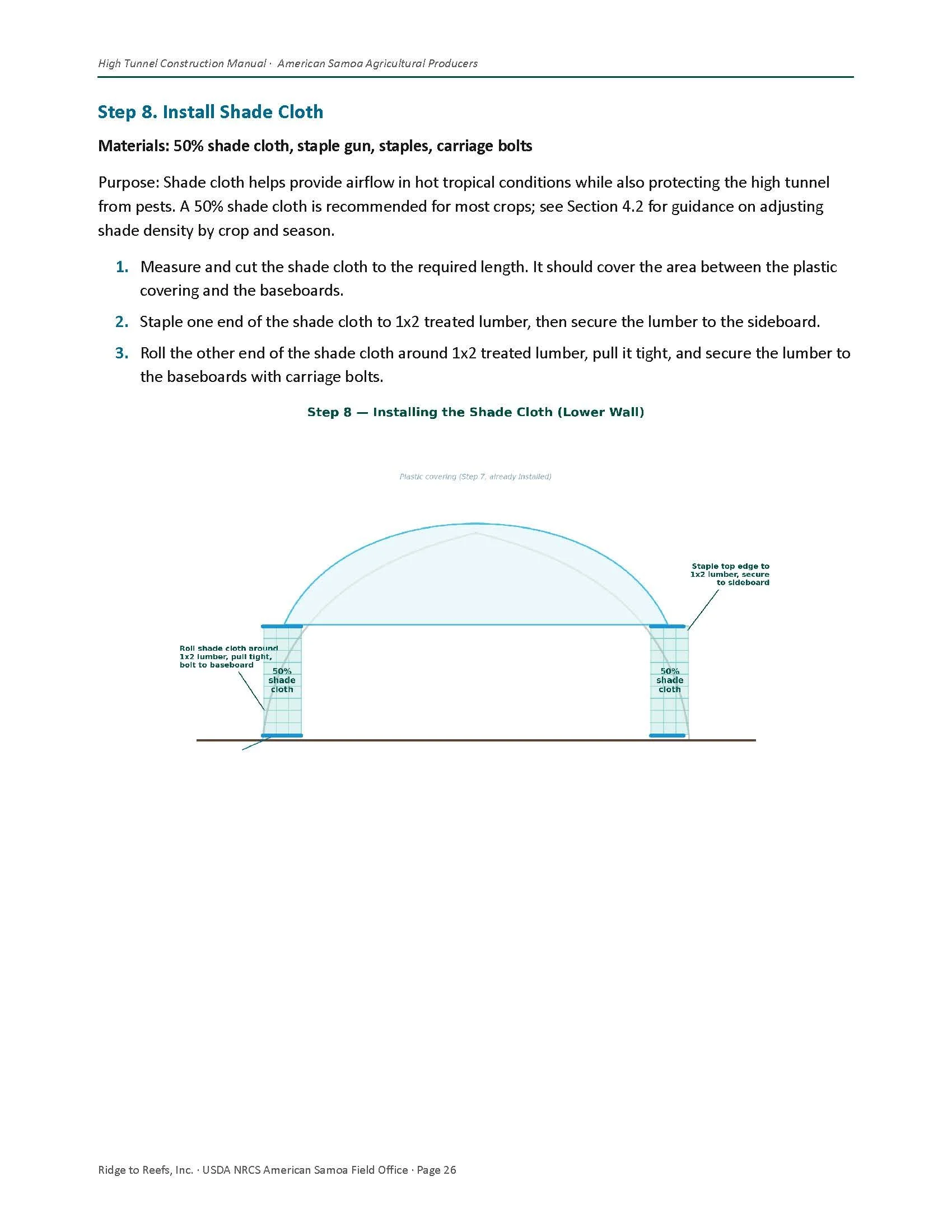
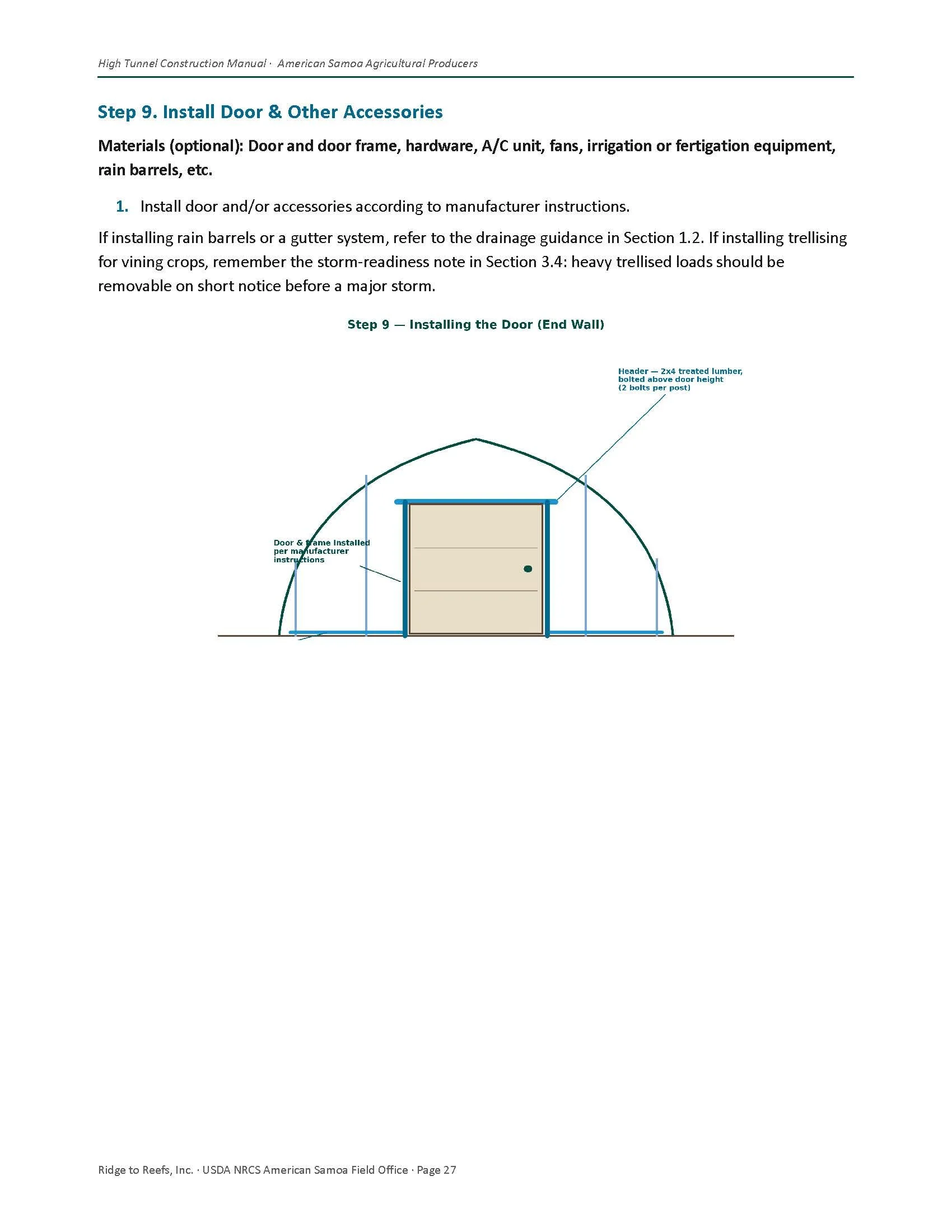
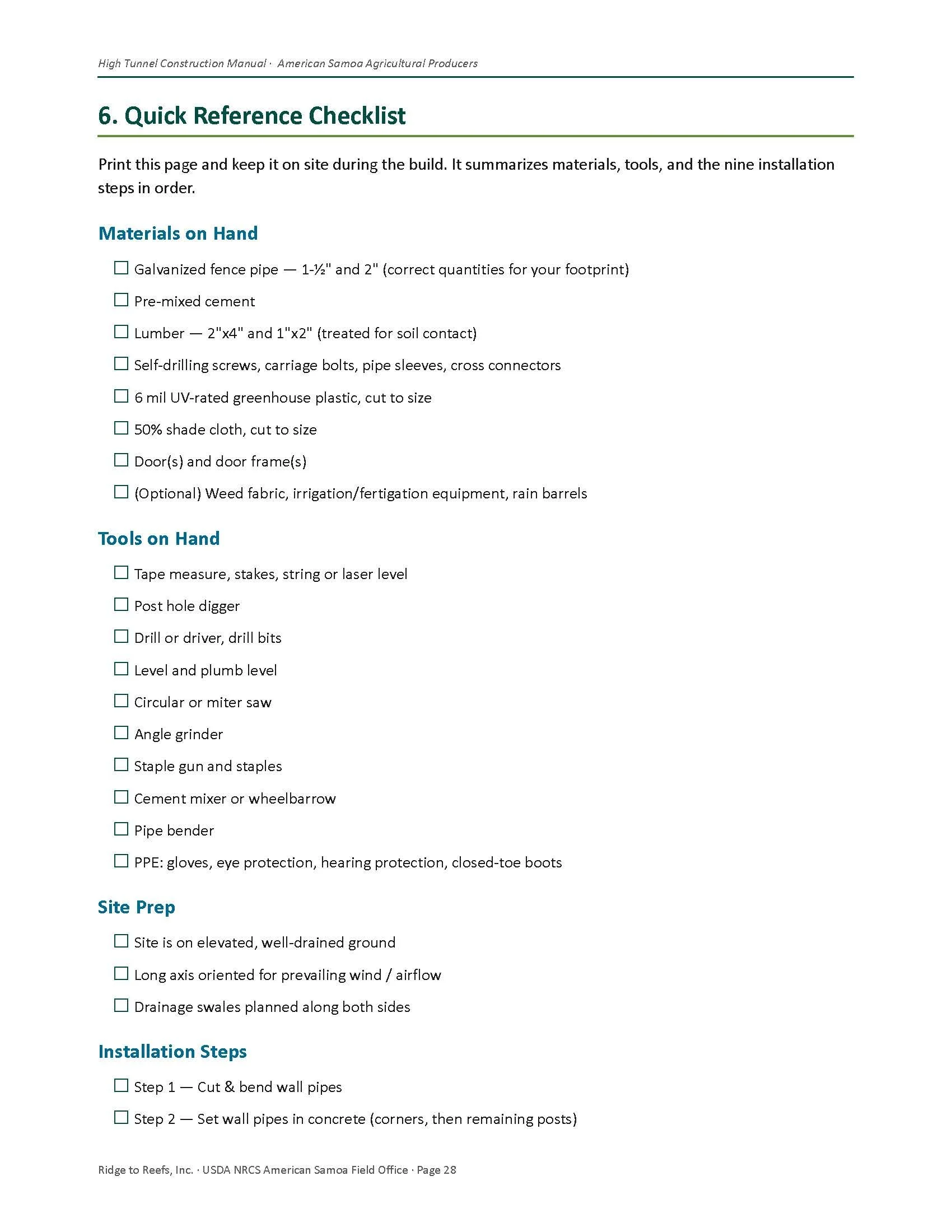
This project benefited over 100 local farmers or agriculture professionals through workshops and implementation of innovative systems; at least 40 NRCS EQIP recipients receiving financial assistance to build a high tunnel or IDLS; and at least 50 community college land grant students, 10 faculty, and 50 farmers visiting the campus for technical assistance. Products included a High Tunnel Instruction Manual for American Samoa Producers supporting building a high tunnel that aligns with NRCS standards, using mostly locally available materials. The plan outlines the design standards, materials, and step-by-step instructions to support farmers with building a high tunnel. IDLS Workshops supported 50 participants including farmers, regulators, researchers, and students. Videos highlight Fish Hydrolysate Production, IDLS Workshops, High Tunnel Construction, and an IDLS Interview with a local farmer.
Funders and Partners: Funded by USDA NRCS, Key Partner American Samoa Community College Land Grant Campus
Technical Products
Project Gallery