Restoring Morne Diablotin National Park for Parrot and Forest Resilience in Dominica
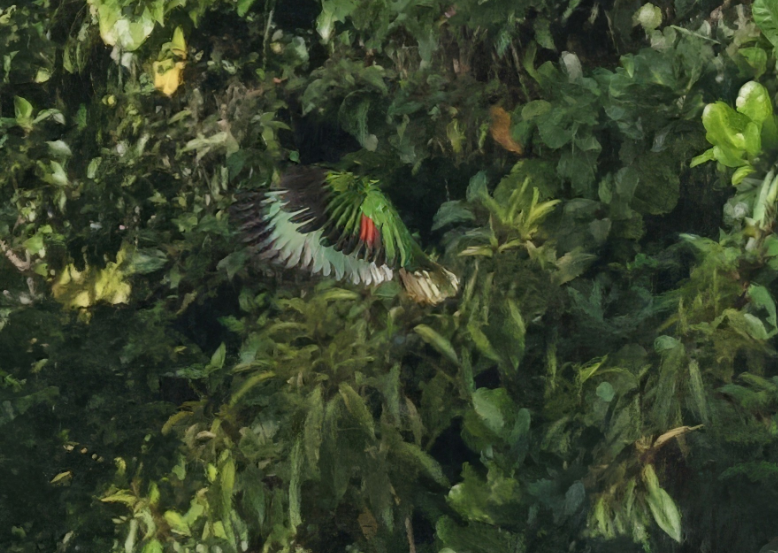
Sisserou, Amazona imperialis. Photo credit: John Gregory, Macaulay Library
Project Summary
The Dominica Parrot Habitat Restoration project (2026 – 2027) is advancing conservation and recovery of critical habitats surrounding Morne Diablotin National Park. Habitat restoration for Sisserou (Amazona imperialis), Dominica’s endemic, endangered parrot species, and the Red-Necked Jaco (Amazona arausiaca) takes place through supporting farms, tree planting, greenhouse restoration, community engagement, and youth STEAM educational programs. This project is a partnership between local nonprofit Mero Supreme, Innovate My World, and Ridge to Reefs.
Problem
Morne Diablotin National Park is a critical Key Biodiversity Area (KBA) impacted by Hurricane Maria and subsequent tropical storms. The area is internationally recognized as habitat for the endangered Sisserou (Amazona imperialis) and the vulnerable Jaco, the Red-necked (Amazona arausiaca) parrot (IUCN Red List). The area adjacent to the park has become fragmented habitat, which pressures the parrots and forest ecosystem.
Solution
Developing agroforestry habitat corridors in partnership with local farms supports habitat and farm production. Growing crops in tandem with shade trees provides native species habitat while offering crops protection from sun, wind, and storms. This project aligns with the Division of Forestry’s goals to create a holistic management approach in and around the park. We have partnered with several farms in the area and are collaborating on expanding the capacity of nurseries to propagate the essential tree species for parrot habitat and agroforestry production.
Implementation
Through community outreach, agroforestry training, native and fruit tree production and management practices, nature-based fertilizer production, this project advances native parrot habitat through agro-ecological systems supporting parrots and farms.
Activities include: rennovating at least three nurseries, reforesting 30 acres of forest buffers with agroecological production; providing training and technical support necessary to manage agroforestry systems; youth education through educational programs with a school agriculture programs.
Outcomes
This project aligns with Dominica’s goals of climate resilience and protecting ecosystems. The 30 acres of planted native forest plants, edible fruit trees and palms species will facilitate developing agroforestry with multistory-alley-cropping, providing edible food crops while enhancing the Sisserou habitat and ecological biodiversity in the rural-to-urban corridors surrounding the Morne Diablotin ecosystem. These efforts will increase farm production with healtier soils and lower farm input prices, support parrot habitat, build greater forest and farm climate and economic resilience.
Funders and Partners
This project is a partnership between Mero Supreme, Innovate My World, and Ridge to Reefs. Mero Supreme is a local nonprofit based in Mero, a coastal community downslope of Morne Diablotin. This organization is dedicated to advocating on behalf of the elders and youth and strives to build strong awareness of issues facing the environments. Innovate My World engages youth and families through educational programs and community-engagement. IMW will support Sisserou parrot habitat and population recovery and sustainable agriculture through school education and outreach. Innovate My World’s (IMW) mission is to empower youth to become innovative and compassionate community leaders through critical thinking, STEM, technology and the arts. Mero Supreme is leading nursery rennovation efforts and direct agroforestry planting activities, in partnership with Ridge to Reefs’ agronomists.
This project is supported by the Critical Ecosystem Partnership Fund
The Critical Ecosystem Partnership Fund is a joint initiative of l’Agence Française de Développement, Conservation International, the European Union, Fondation Franklinia, the Fondation Hans Wilsdorf, the Global Environment Facility, the Government of Canada, the Government of Japan and the World Bank. A fundamental goal is to ensure civil society is engaged in biodiversity conservation.
Access Project Safeguard Grievance Mechanism Process Documents
Project Photo Gallery
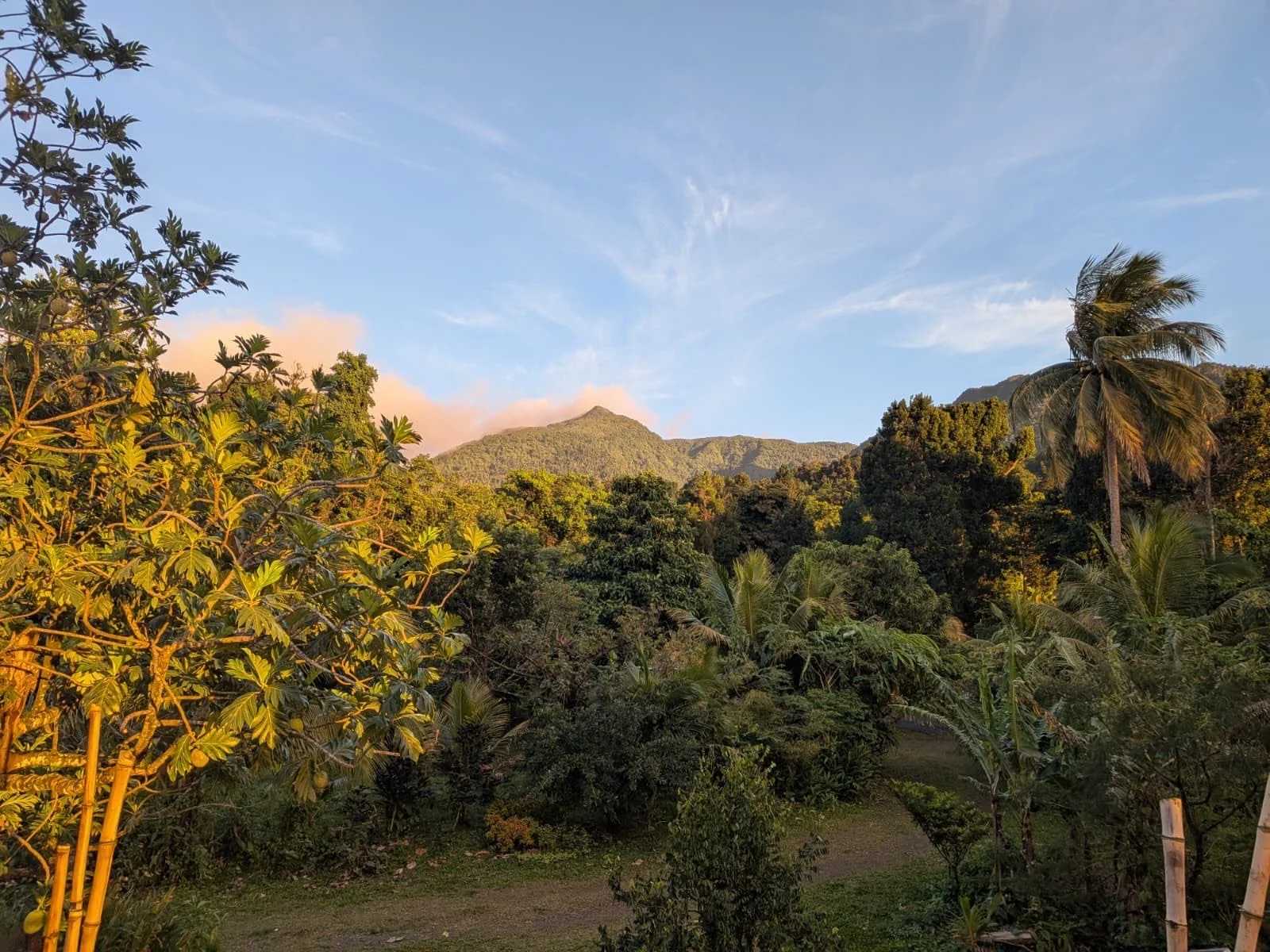
Photo Credit: Kerrin Massarueh